
Search The Blog
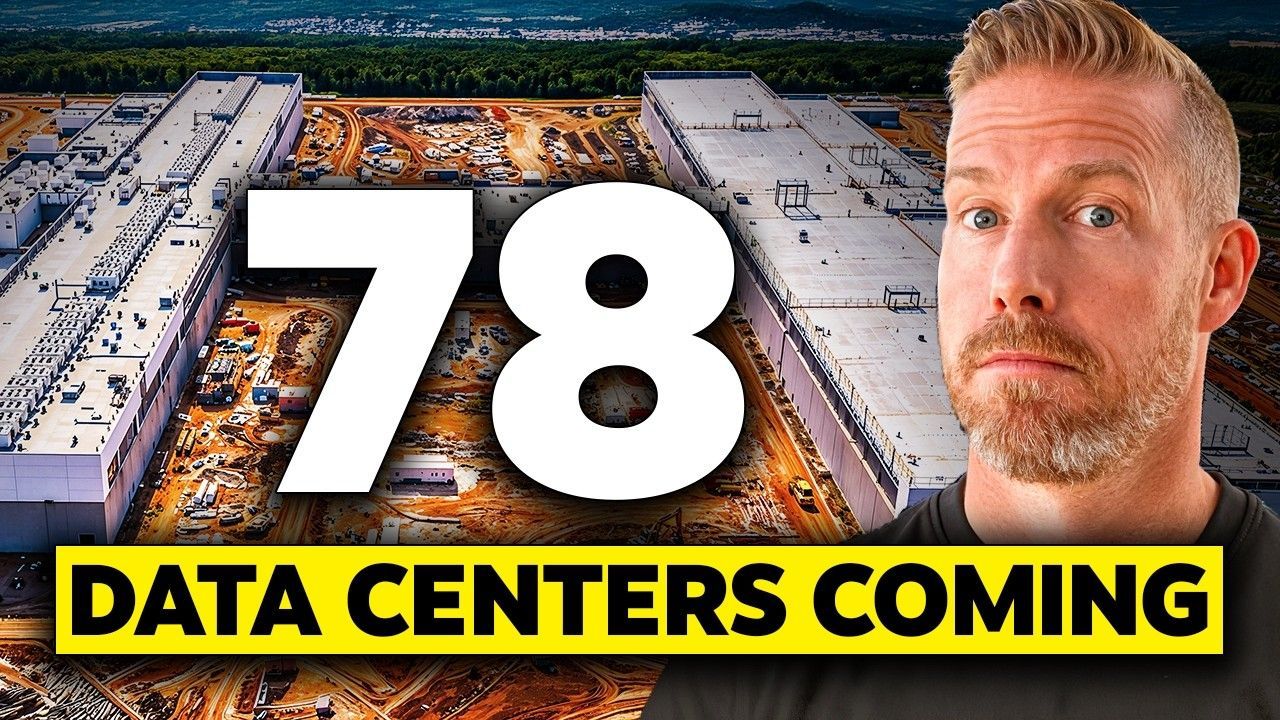
When folks around Dallas talk about data centers, the conversation usually revolves around power bills and water usage. While those are massive topics, what most homeowners miss is where these data centers are actually getting built—and how city limits can completely change what ends up behind your backyard. Hey everyone, Levi here! I’ve been in North Texas real estate since 2009, and I drive these neighborhoods every single day. Right now, we already have over 130 operating data centers across the Metroplex, with dozens more on the way—mostly pushing into suburbs and farmland that haven't seen them before. Let’s break down the state rules shifting the game right now, look at the county-by-county numbers, and dig into what the latest housing research actually says about your home’s value.
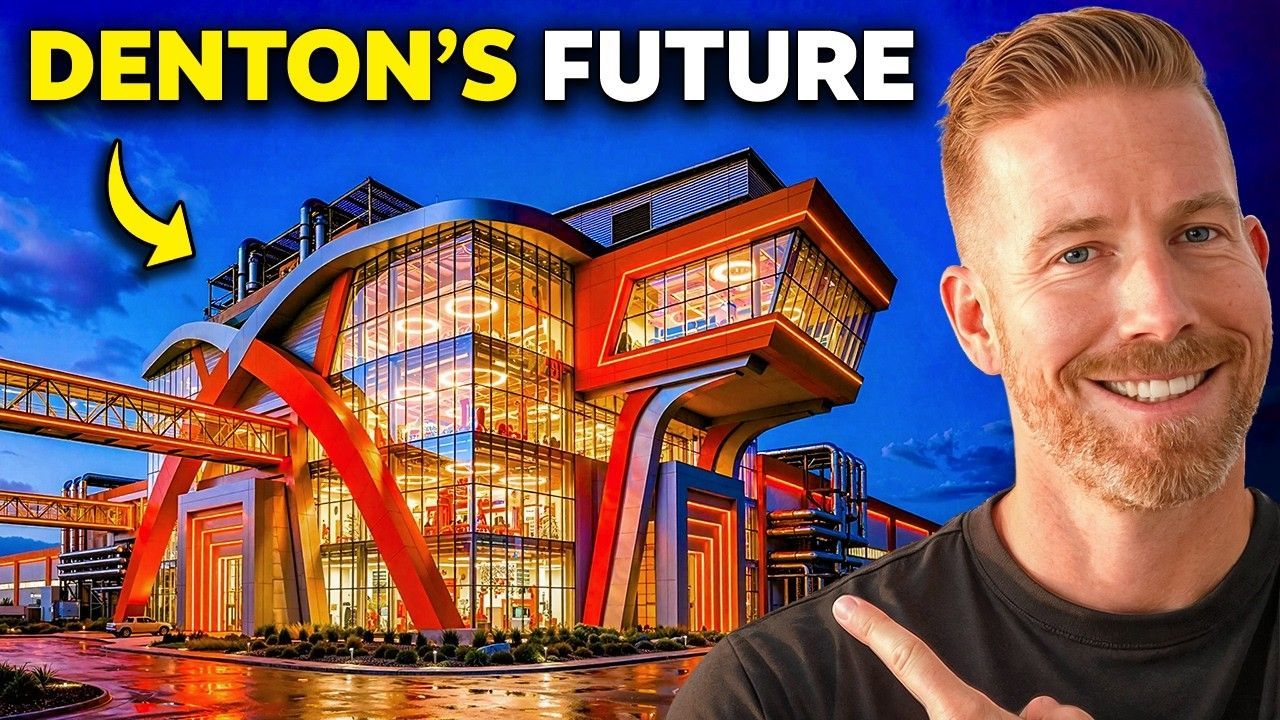
If you're thinking about relocating to North Texas, Denton County might still feel like the quieter, slightly further-out option compared to hotspots like Frisco and Prosper. Because those areas grab most of the headlines, it is easy to overlook the massive wave of growth heading straight for Denton County. I’ve been in North Texas real estate since 2009, and I spend a lot of time tracking how major developments impact local neighborhoods and home values. Right now, eight massive projects—ranging from a Pentagon-backed magnet facility to master-planned communities with thousands of homes—are set to reshape the area. Here is a quick breakdown of what is coming, where it's located, and how it affects buyers and sellers.
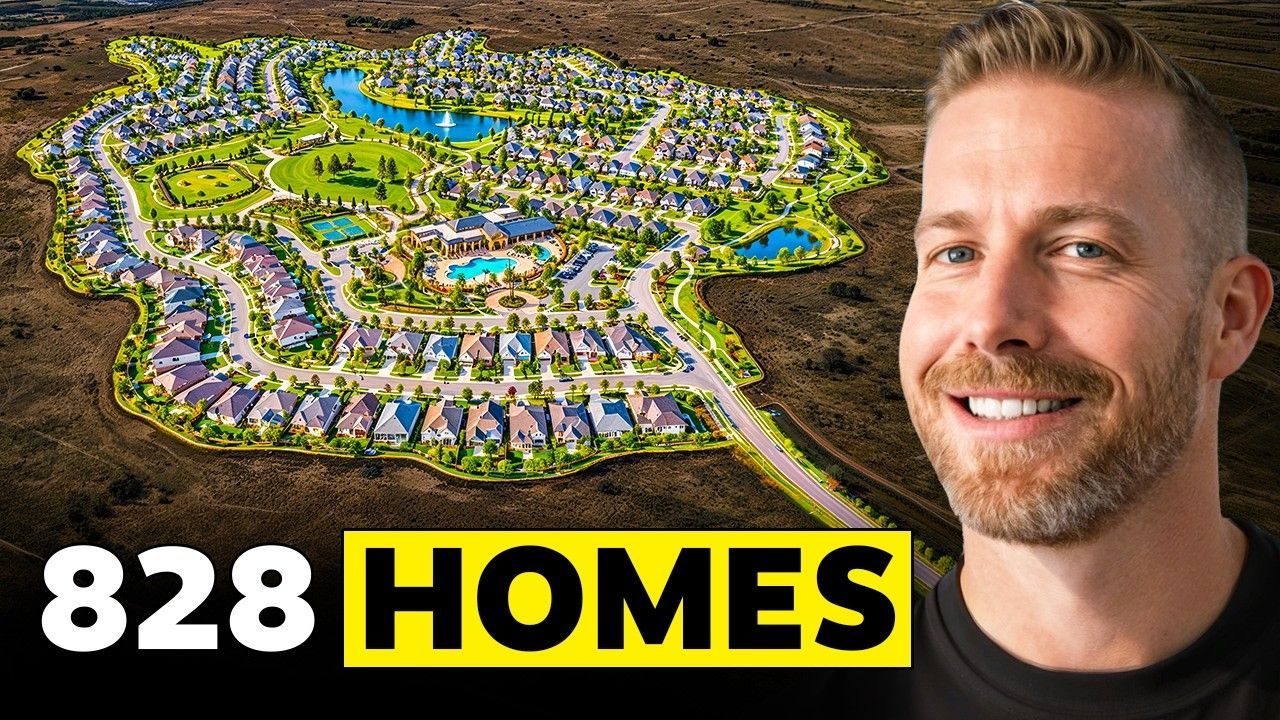
If you drive to the corner of FM 428 and Coffee Road just east of Aubrey, TX , you’ll see an empty field with nothing but grass and a fence line. But that exact 168-acre site is about to be transformed into 828 new single-family homes built by two of the biggest names in Texas homebuilding: D.R. Horton and First Texas Homes. I’ve pulled the latest numbers, analyzed the plans on file, and tracked what I’m seeing firsthand with buyers moving to North Texas so you get the clearest picture of what’s ahead. Whether you already own a home in Denton County or you’re planning a move up north, here is the breakdown of what’s coming to Covey Creek, what it means for your home value, and why most people are completely getting the timeline wrong.
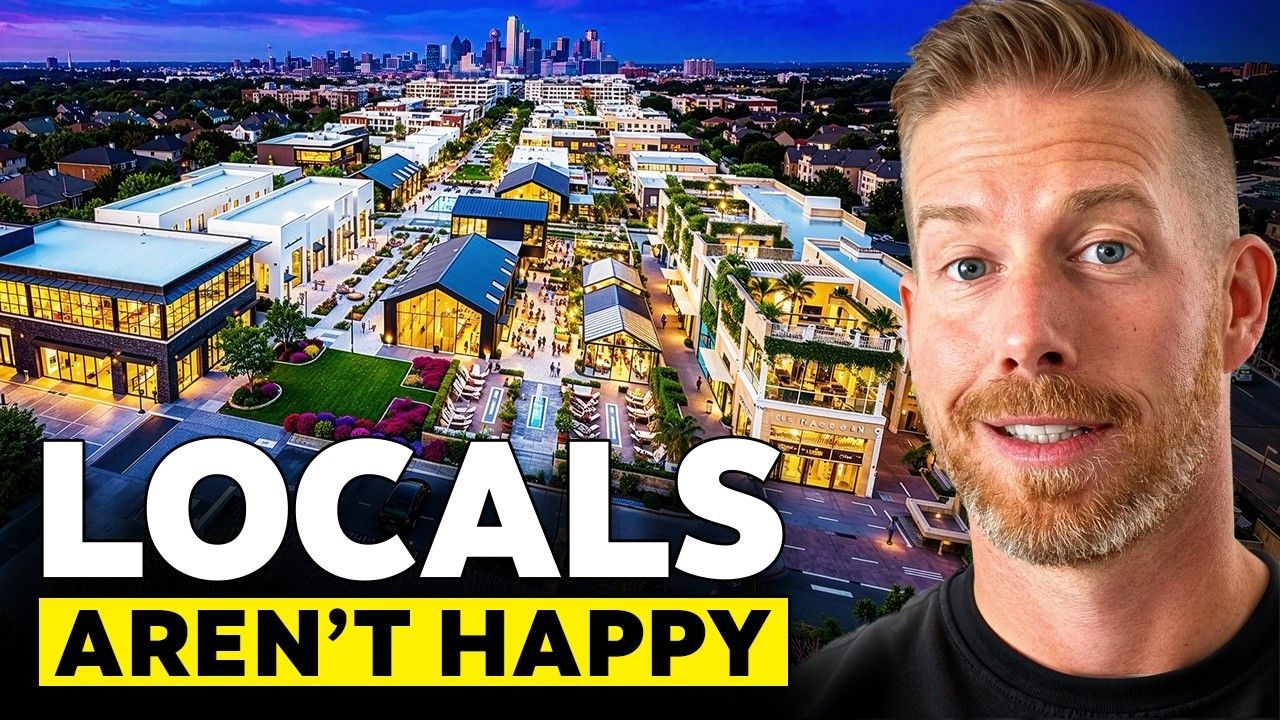
Dallas is undergoing a massive structural transformation, and one of the most talked-about changes is happening right along Henderson Avenue . What was once a stretch of empty grass, gravel, and fading zoning signs has turned into a major $700 million investment that is reshaping East Dallas. As someone who has lived in East Dallas since 2001 and worked in Dallas real estate since 2009, I’ve watched this corridor evolve from a scrappy, patio-heavy nightlife strip into a polished, highly walkable daytime shopping destination.
If you asked me at the start of this year whether major corporate headquarters, iconic retailers, and pro sports teams would all plan their exits from downtown Dallas in a single 12-month span, I’d have thought you were exaggerating. Yet, here we are. From corporate moves to potential arena relocations, Downtown Dallas is facing a massive structural pivot. But city leaders aren't sitting back. A bold new vision is taking shape to completely redesign the heart of our city by 2036. Here is what is leaving, what is coming, and how these changes will impact nearby property values.

If you stand in a pavement parking lot here in Dallas during August, you could practically cook an egg on the ground before you melt first. But one of the biggest concrete heat islands in the city is officially set for a massive green makeover. A 10.5-acre parking lot on the Fitzhugh Avenue side of Fair Park is being transformed into a $40+ million green oasis. I’ve lived in Dallas for over 25 years and worked in local real estate since 2009, and I can tell you that public projects like this do more than just clean up the scenery—they fundamentally shift how entire neighborhoods function. Here is a quick look at what is happening, where the project stands, and why local homeowners should care.
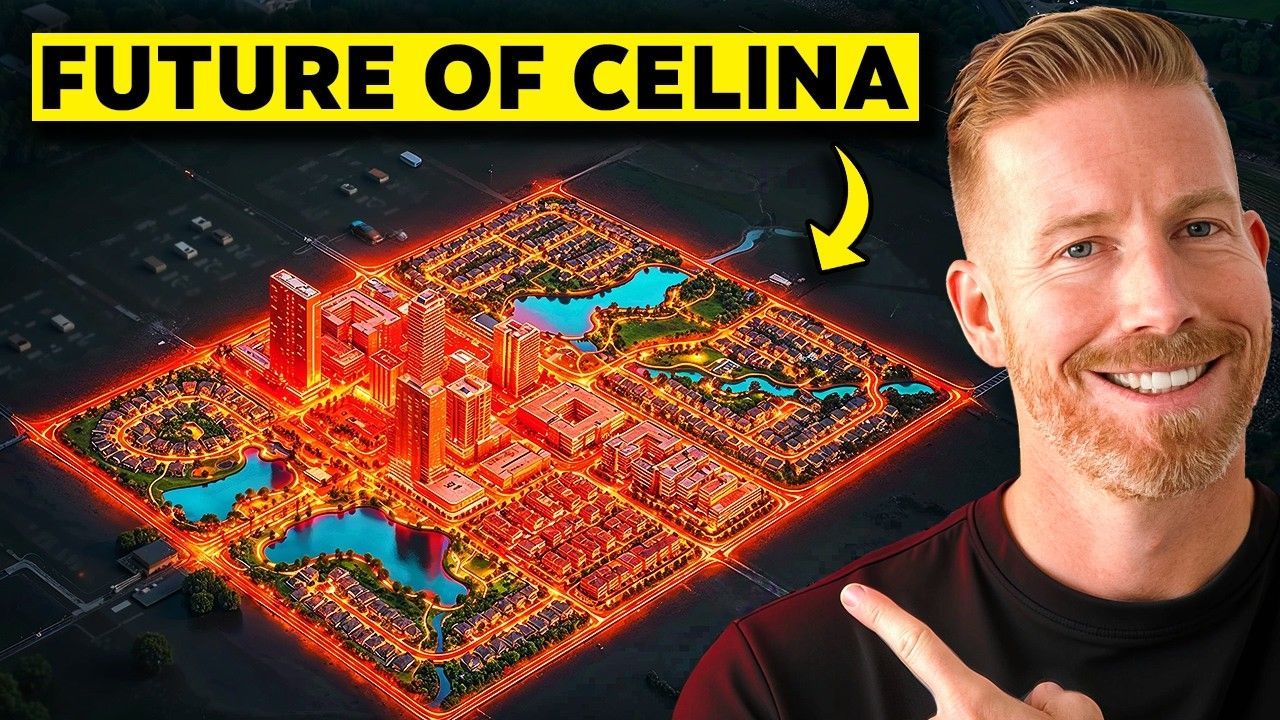
There is a small, quiet gas station sitting on the corner of the Celina Square that might actually tell you more about where local home values are headed than any brand-new master-planned subdivision out on the edge of town ever could. In just a few short months, our historic square has pulled in over $22 million across three major redevelopment projects, all while the rest of Celina continues to race outward in every direction. As someone who works in this market every single day, tracking development pipelines and watching how these projects impact real homeowners on the ground, I wanted to break down exactly what’s happening, what’s coming down, and what’s taking its place.

If you’ve been casually scrolling through real estate listings on your phone on a Sunday night over the last couple of years, you probably felt like you had all the time in the world. Homes were stacking up across the Dallas-Fort Worth metroplex, and by the middle of last year, North Texas had more inventory than it had seen since 2003—surpassing even recession-era levels. Buyers had total control. Sellers were getting used to negotiating, with roughly 66% of DFW homes selling below asking price, and the typical Dallas home taking over 100 days to go from listing to closing. But things are quietly shifting. While nationwide headlines point to rising inventory, the ground is moving right beneath our feet here locally. The pile of homes buyers have been shopping from is shrinking, and almost nobody is talking about it. Here is what has changed, what buyers have lost, and what it all means if you’re trying to make your next move in Dallas .
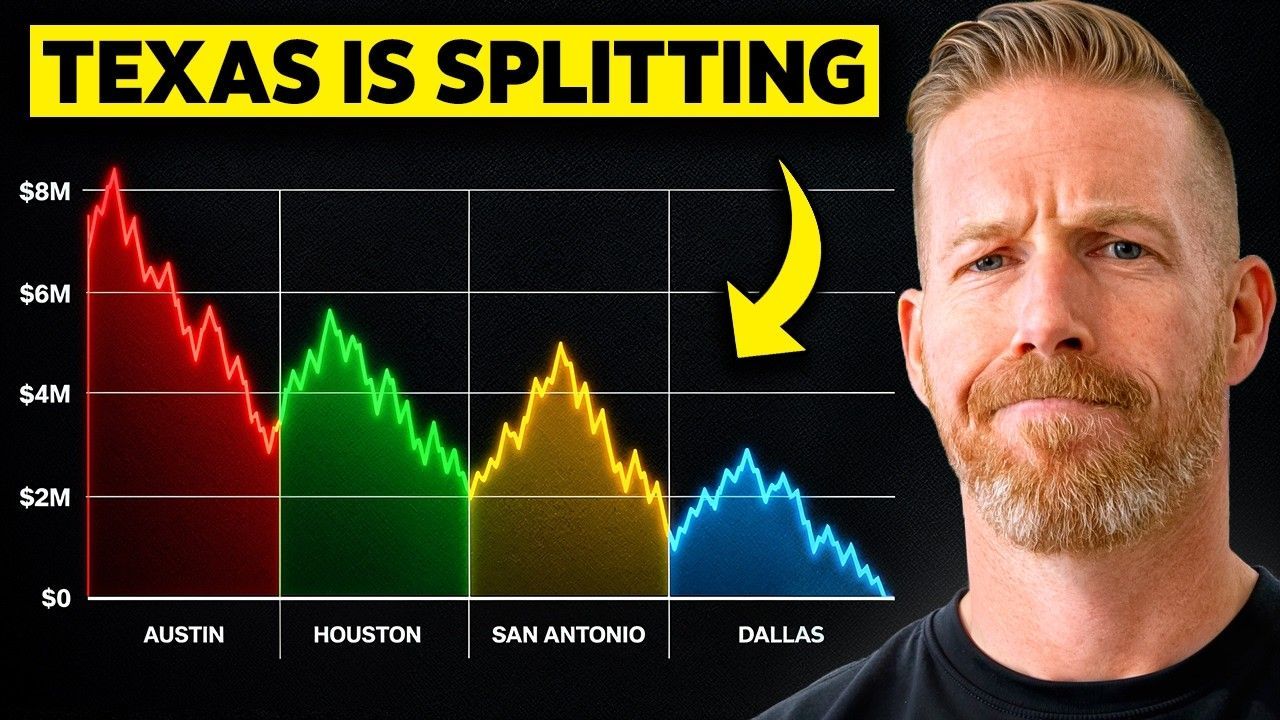
If you’ve been watching the Texas housing market this year, you’ve probably heard the same thing over and over: prices are soft, interest rates are a headache, and the whole state is cooling off. For Texas overall, that's mostly true. But if you put Dallas , Austin , Houston , and San Antonio side-by-side, that narrative completely falls apart. I’m Levi, and I’ve been in real estate since 2009. Watching how these major metros move against each other is what I do every day. Let's break down how each city is handling the current market shift.

Hey everyone, it’s Levi. If you’ve been keeping up with the headlines lately, you’ve probably heard about the massive splash Morgan Stanley is making right here in Dallas . We are talking about a $1.3 billion campus coming straight to Uptown, and people are already calling it an absolute jackpot for the city. The city is putting up $18.5 million in incentives, construction on McKinney Avenue has already started, and the deal is officially locked in. But what does this massive Wall Street player actually mean for our skyline, our local economy, and more importantly, your home equity if you live anywhere near the urban core? Let's break it down.